
|
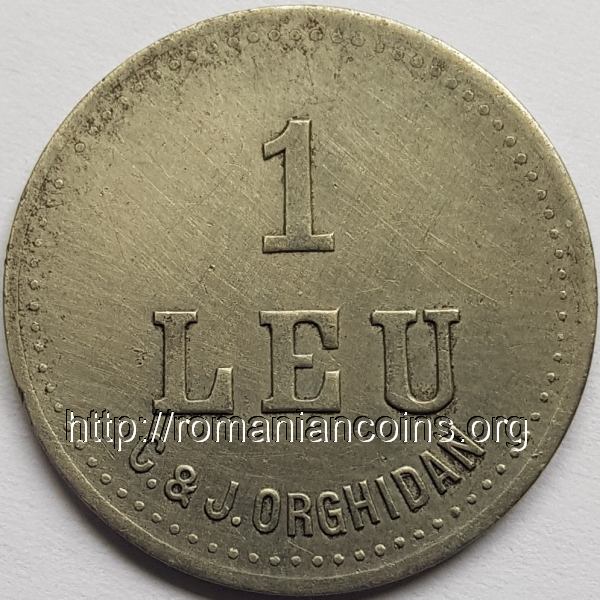
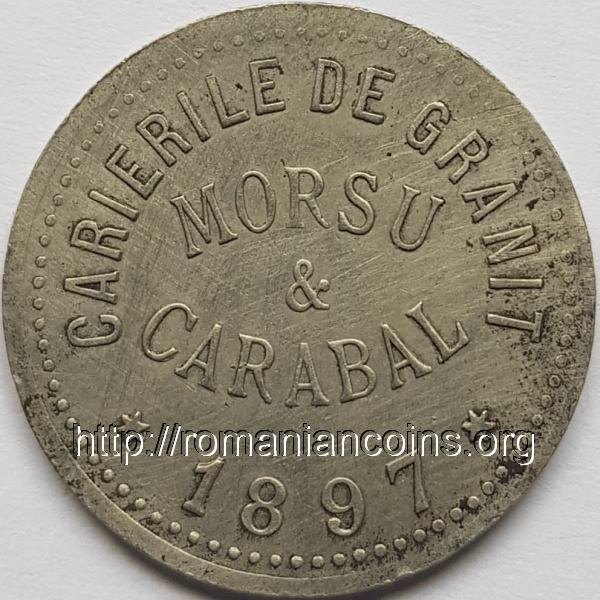
C. & J. Orghidan - Morsu & Carabal Granite Quarries - Greci village |
|
 |
 |
|
24 mm diameter, 4.21 g, cupronickel
outer pearl circle, face value 1 LEU, inscription C.&.J. ORGHIDAN | inside outer pearl circle inscription CARIERILE DE GRANIT MORSU &. CARABAL ✶ 1897 ✶ meaning MORSU & CARABAL GRANITE QUARRIES |
The extraction of granite in Tulcea County was made in numerous quarries in the Măcin Mountains, most of which are no longer in explotation. In the mountains near Greci village, the Morsu and Carabal quarries - where these tokens were used - were opened before 1900. In [1] these tokens are correctly associated with the village of Greci. In [2] the Orghidan / Morsu and Carabal tokens are attributed (erroneously) to the Turcoaia village.
Stone quarries at Greci. Italian stonemasons came to work in Romania
After 1878, qualified workers from Italy were brought in Dobrogea for helping with stone extraction. Italian stonemasons came to Greci starting in 1885. In 1899 there were already 117 Italian nationals here [3].
Around 1900 [4] there were two functional granite quarries in Greci, both owned by the Romanian state. The exploitation was concessioned to private individuals. The Morsu quarry had been opened in 1894 and was exploited by I. Orghidan. It produced 1100 m3 of granite for pavements and for buildings (this was probably the annual production capacity). The Carabal quarry dates back from 1896 and was exploited by C. Orghidan. It produced 761 m3 of granite (annual production capacity?). Also in [4] it is shown that the paving stone cut in Dobrogea was more competitive on the Bucharest market than the stone imported from Belgium or France and that it was hoped that, thanks to training of Romanian stonemasons (and thus in doing this replacing the Italian stonemasons), the stone extracted from the Măcin Mountains was soon to become cheaper than the one imported from Bulgaria.
We could neither establish who the two Orghidans (I. and C.) were, nor their possible connection with the great Romanian numismatist Constantin C. Orghidan (1874-1944).
Ionescu [4] informs us that the surface of the Carabal quarry was 10 hectares, and the concession term was 20 years. In [5] it is shown that in 1928 the Carabal quarry was exploited by a company called "Cetatea de Granit" (Granite Fortress). According to [6], "Cetatea de Granit" was based in Braşov, was founded in 1922 and had a capital of 30 million lei. In a table published by the Argus Almanac (from 1931, [7]) it is shown that in 1929 the company had not obtained any net benefit.
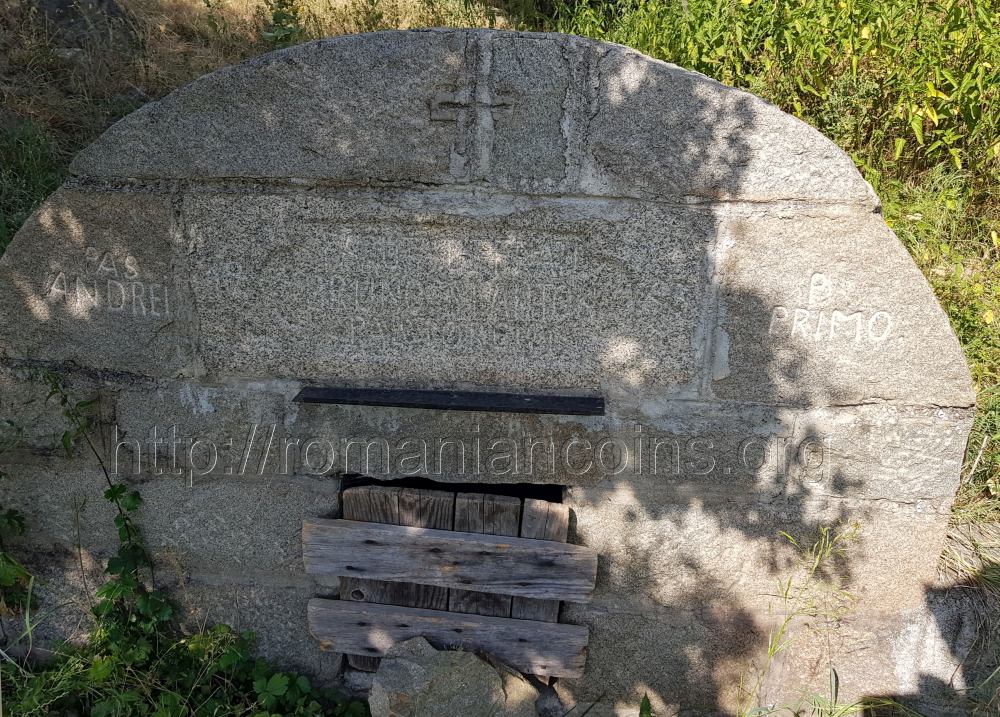
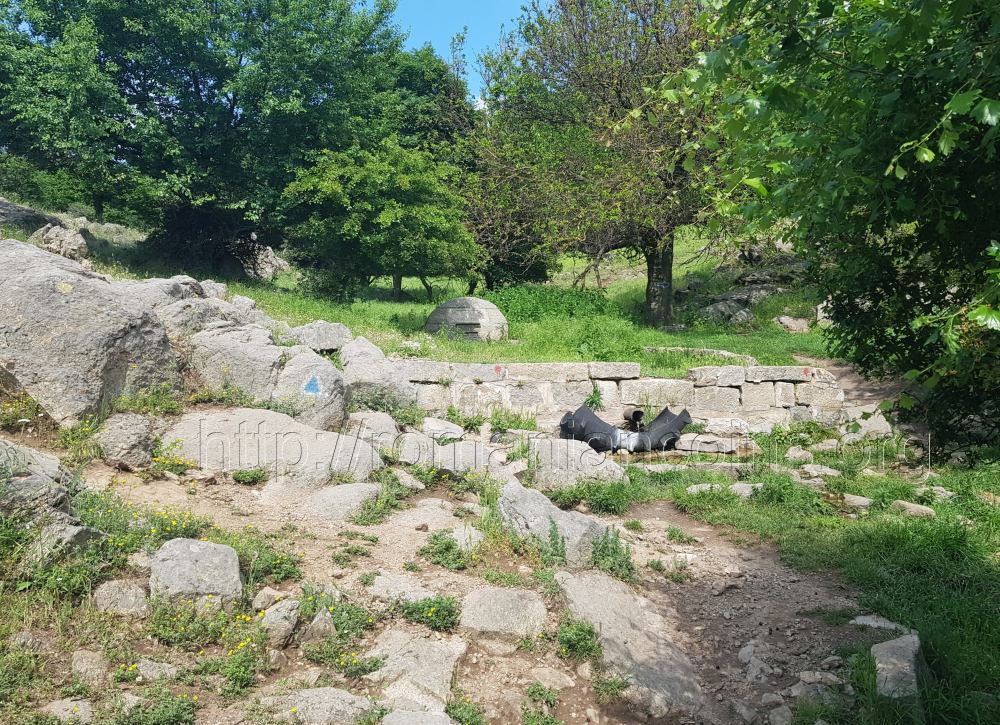
The Church of the Italians from Greci, consecrated in 1912, is dedicated to Saint Lucia - the saint venerated as the patroness of sight and eyes. By extension, it also protected the stonemasons from debris that could get into their eyes, affecting their sight.
About the names Morsu and Carabal
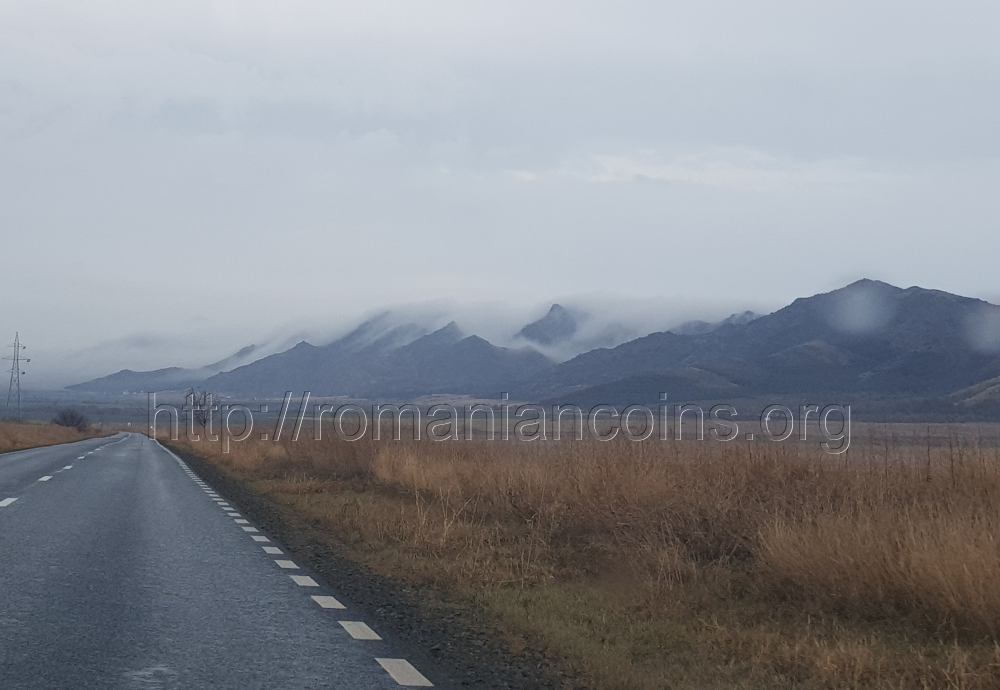
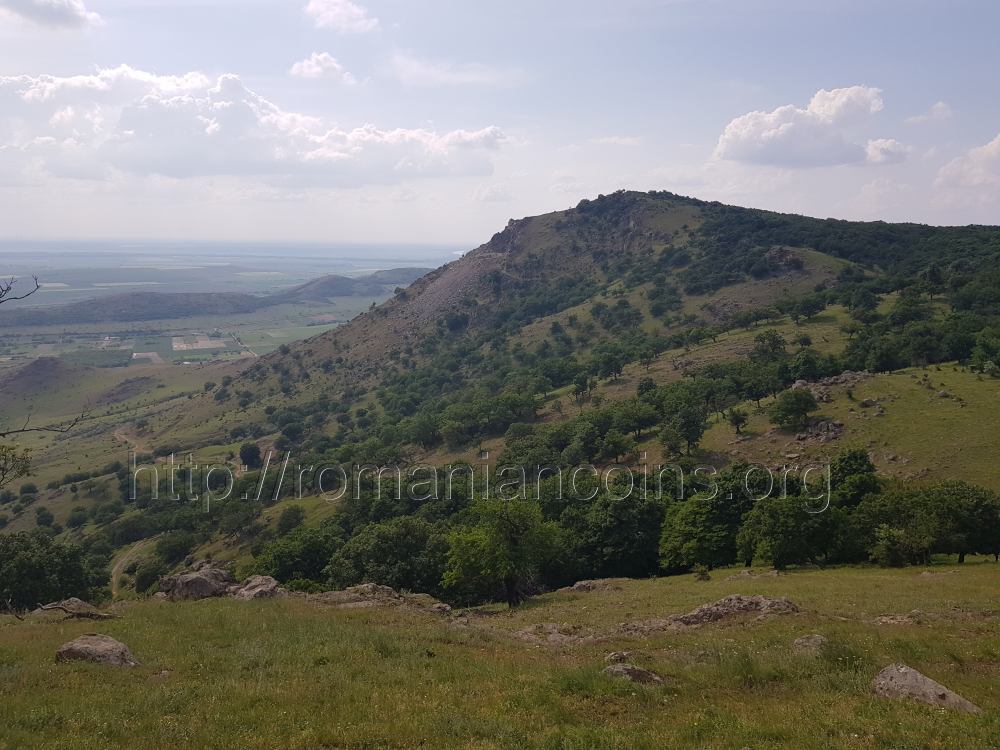
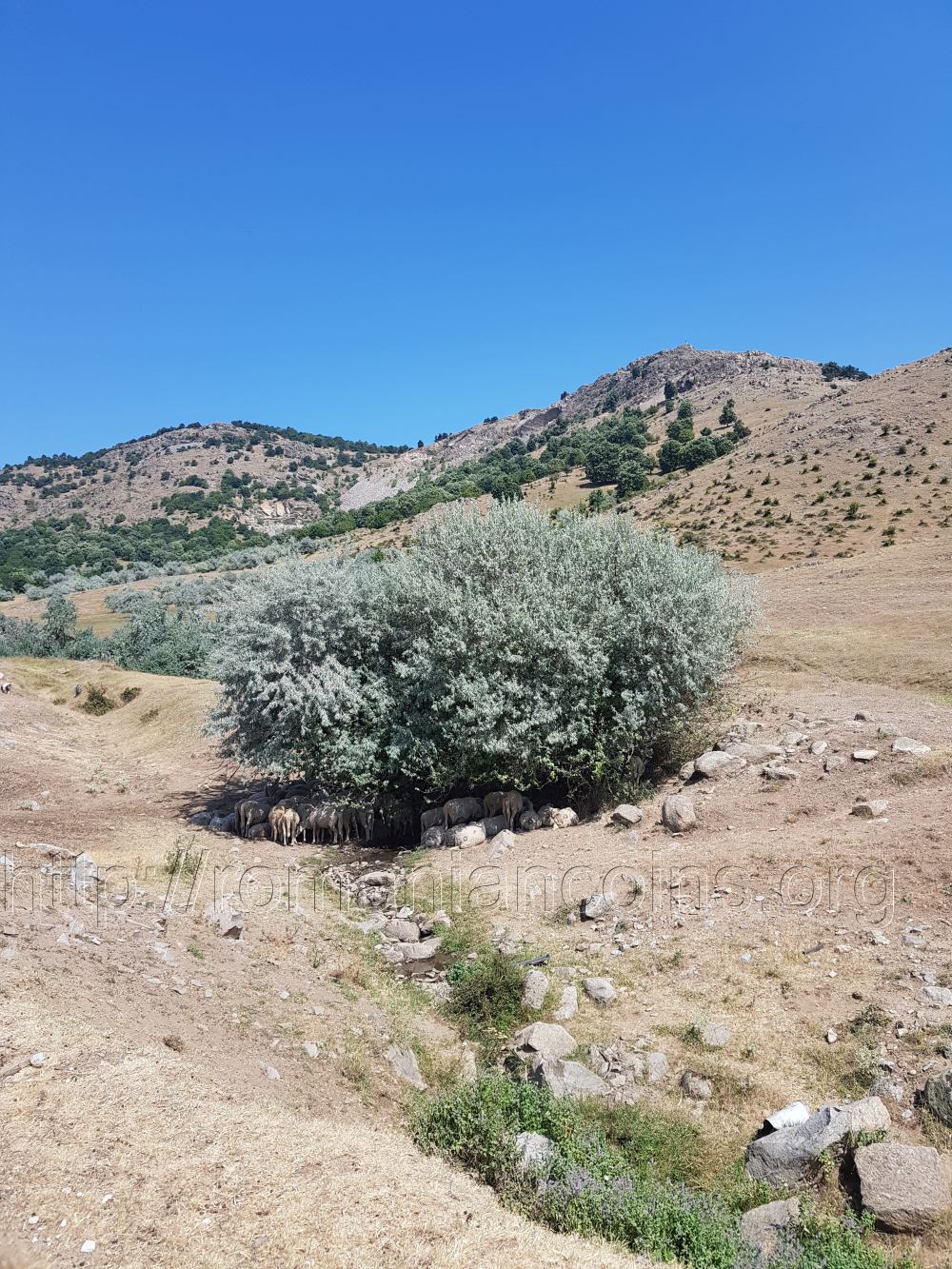
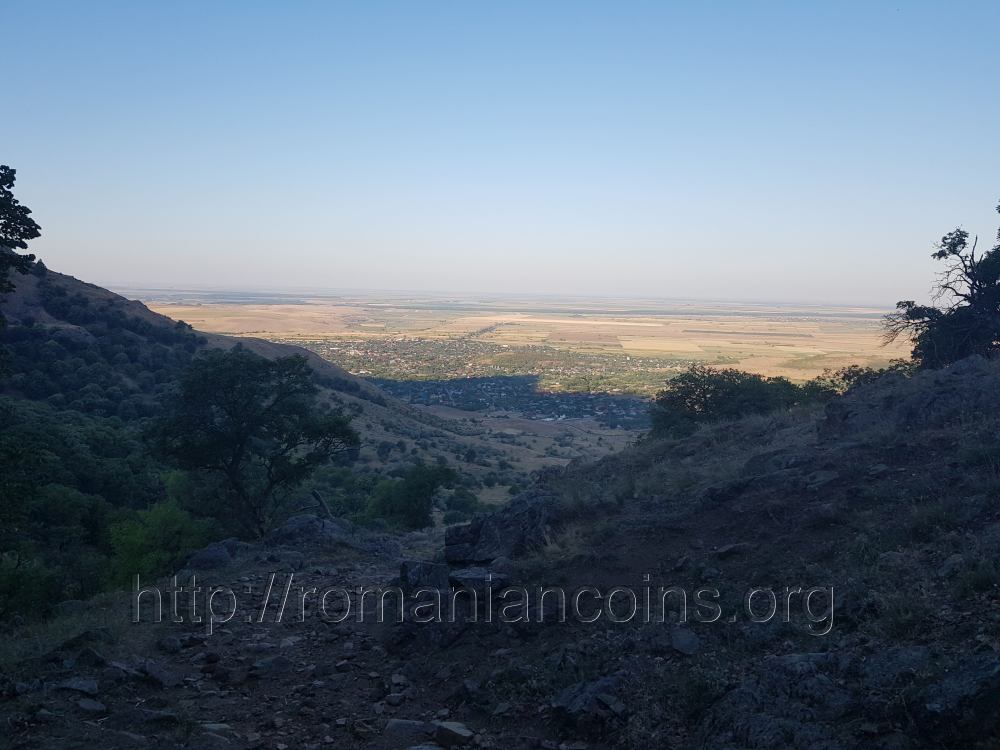
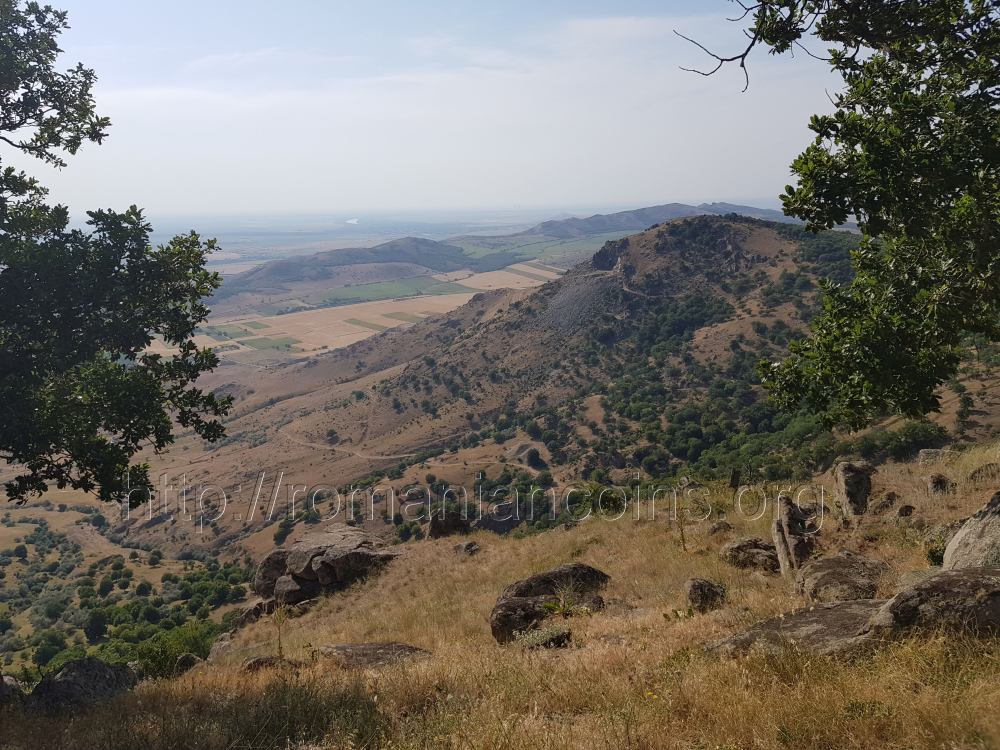
To the east of Greci village there are several valleys, among them being Morsu and Carabalu.
The names are clearly left over from before the War of Independence of 1877-1878 and the reintegration of Dobrogea into Romania, because they have meaning in the Turkish language. According to Google Translate and according to the Turkish version of the Wikipedia Encyclopedia, in the Turkish language "su" means water, "mor" means purple, "kara" means black, and "bal" means honey (the old Romanian word "balgiu" describes a Turkish merchant specialized in buying honey from the Romanian Principalities, Moldavia and Walachia). So, the names could be approximated with some probability in the Romanian language by "Apa Vînătă" - "Purple Water" and respectively "Mierea Neagră" - "Black Honey".
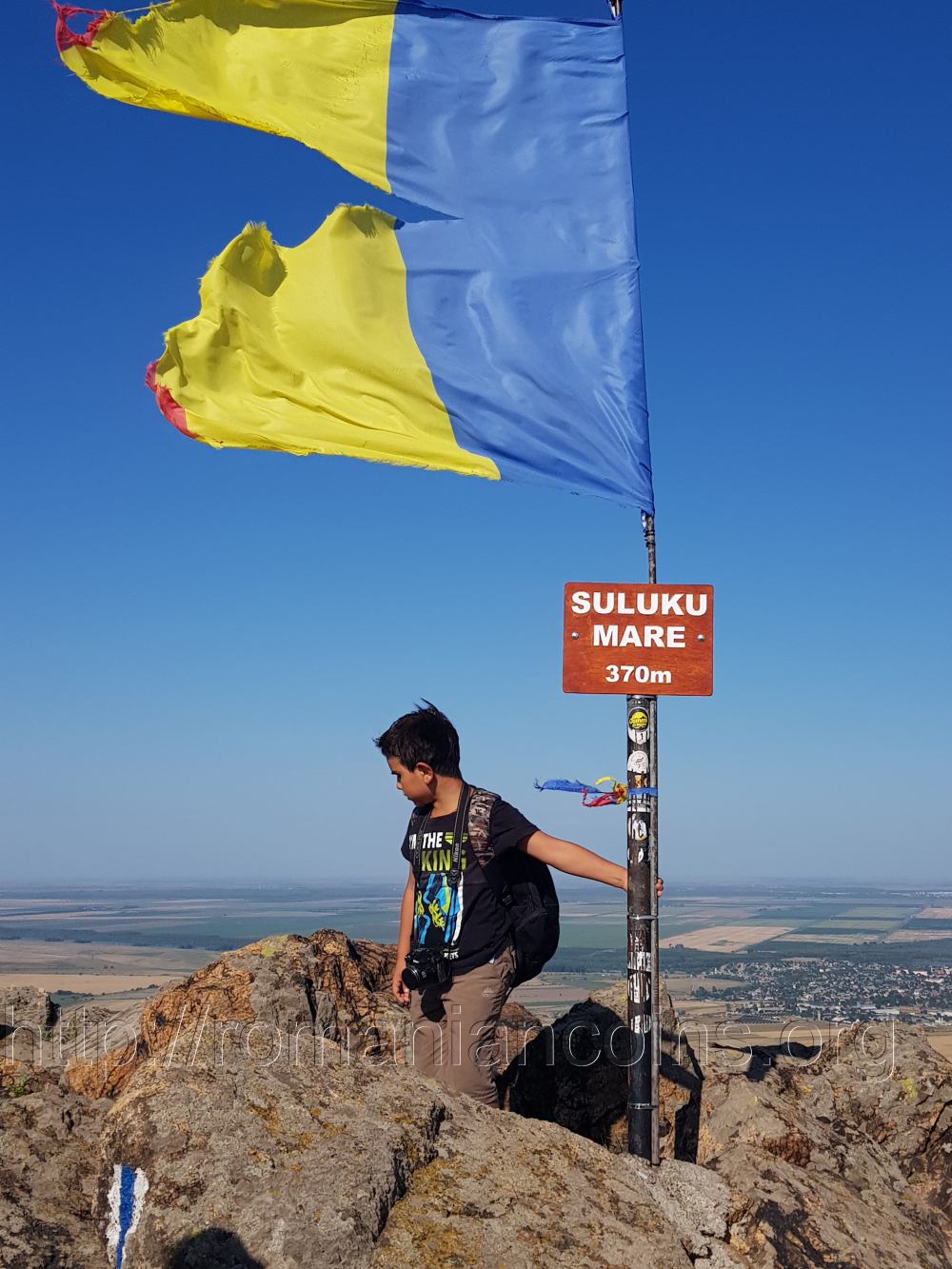
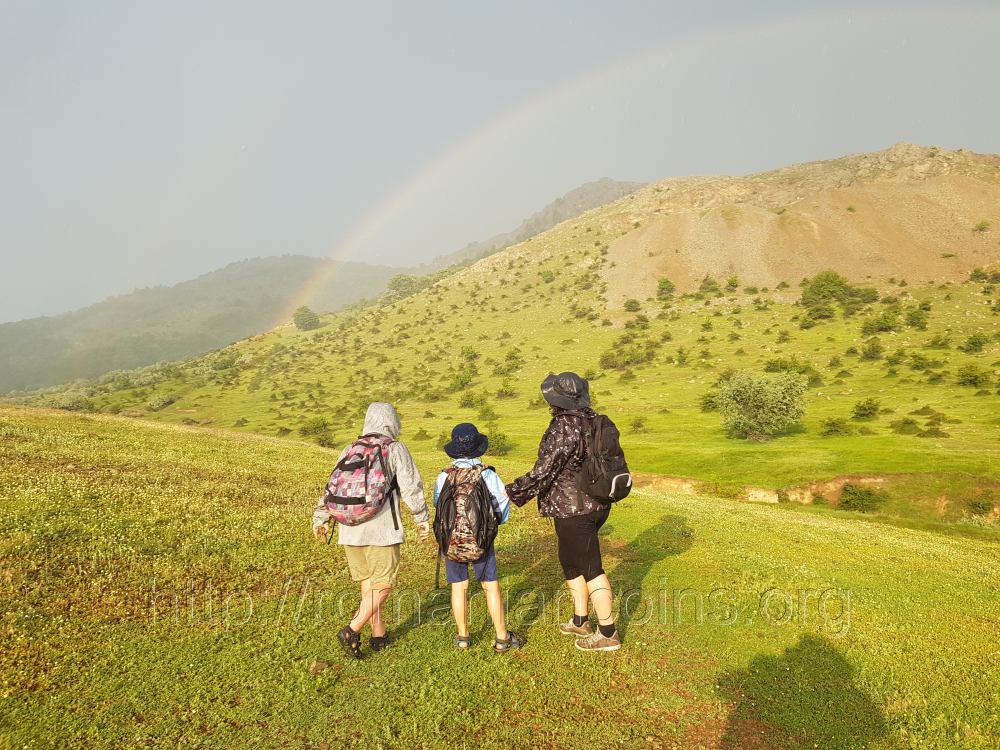
The tourist route from Greci to the Ţuţuiatu Peak, marked with a blue triangle, passes through the Morsu valley. In the Greci village, home of almost almost 5000 inhabitants, Morsu, Valea Morsului and Carabalu streets exist.
It would be expected to find the Morsu quarry in the Morsu Valley, as the Carabal quarry is located in the Carabal Valley. The only source that provides a location of these objectives is the site "Mapcarta - The Open Map" [8], which places (October 2024) the Morsu and Carabal quarries in the Carabalu Valley, and between them lies the place called "Cişmeaua lui Orghidan" (Orghidan's Fountain), which most likely recalls one of the two Orghidans mentioned on the token. In the past (until the 60s of the 20th century) the stone extracted in the Carabalu valley was transported to the Danube (Măcin Branch of the river) by a narrow-gauge railway [9]. In the version given by [8], the Morsu quarry would have been served by the same railway line. Perhaps in the future the problem of placing these quarries will be further clarified.
References
1. Bălăiţă D., Jetoanele „Cariera de Granit Muntele Carol I”. Cercetări numismatice, XXIII-XXIV, Bucureşti, 2017-2018, p. 77-87.
2. Schäffer E., România. Jetoane, semne valorice şi mărci, Guttenbrun [old German name of Zăbrani village in Arad county], 2012.
3. Chiselev A., Dinamica rituală a tradiţiilor de peste an. Tradiţii emblematice ale etniilor din Dobrogea de Nord. Editura Ex Ponto, Constanţa, 2019.
4. Ionescu M.D., Dobrogea în pragul veacului al XX-lea. Geografia matematică, fisică, politică, economică şi militară. Atelierele Grafice I. V. Socecŭ, Bucureşti, 1904.
5. * * *, Dobrogea 1878-1928. Cincizeci de ani de vieaţă românească. (Analele Dogrogei, an IX, vol. I) Editura Cultura Naţională, Bucureşti, 1928.
6. * * *, Almanach Argus 1923, Editura Luceafărul, Bucureşti.
7. * * *, Almanach Argus 1931.
8. * * *, Mapcarta. The Open Map. Cariera Carabal, https://mapcarta.com/W1294577513/Map
9. kid72, Mocăniţele neştiute din Munţii Măcinului. article on Railnet.ro online forum. http://www.railnet.ro/viewtopic.php?f=8&t=3212, accesed October 2024.